About
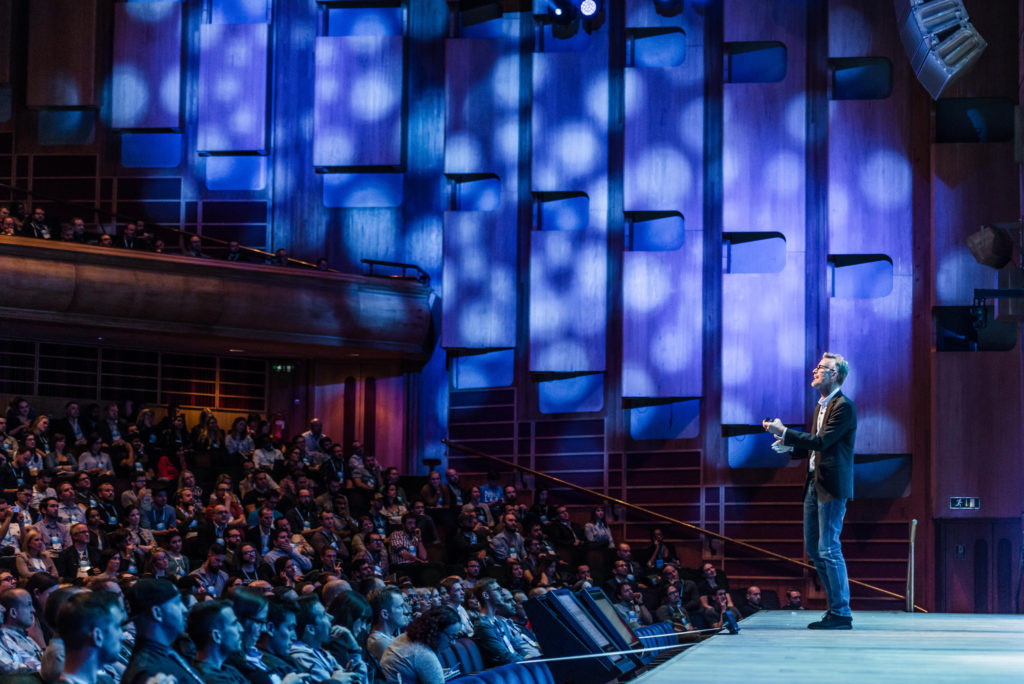
For over 30 years, I've designed products and led teams building tools that help people create, reaching millions of users and resulting in three successful exits. More recently, I've worked at the intersection of design and venture, coaching founders and getting early glimpses of what's next. Through all of this, I've found that the best companies are built by founders who think like designers.
True Ventures
As a partner in one of the industry's most respected seed-stage venture capital firms, I followed the hypothesis that strong user experience design applied at the moment a company is formed can accelerate product-market fit and lead to more successful outcomes; while at True, I also built and ran the Platform team, focused on supporting a community of over a thousand founders and their teams through the tenuous first years of growth. I wrote about why design thinking can be usefule in venture here.
Presentable Podcast
For over 120 episodes, I hosted this podcast focusing on how we design and build the products shaping our digital future, with guests ranging from leaders at Google and Apple to startup founders reinventing the tools we use; as the episodes progressed, the focus shifted to bigger questions including design ethics, the implications of our decisions, and the power of designers to chart a more equitable future for tech.
Adobe Creative Cloud
I led the team responsible for designing and implementing the user experience for Adobe's transition from Creative Suite to Creative Cloud, a monumental effort requiring coordination between dozens of teams across the company which, according to Harvard Business Review, resulted in the fastest ramp to billion dollars in recurring revenue of any SaaS product in history.
Typekit
Our mission at Typekit was to provide the easiest way to access the world's best typography on the web, and in a few short years we served fonts to tens of millions of websites, helping to make the web more beautiful, more accessible, and faster; our work with independent type designers also opened up a market for more diverse voices in the type community, and Typekit remains active and vibrant to this day under the historic Adobe Fonts brand. You can read the Typekit launch post and my thoughts on our exit.
Google Analytics
I led the design of Google Analytics after the acquisition of the early blog tracking tool Measure Map, and over the course of an 18-month skunkworks project we conducted extensive user research and worked through a significant technical integration to launch the product, which remains influential to this day and still features much of our original UI design work. I wrote about the launch of Analytics on this site as well as the Google Blog.
Measure Map
As the Adaptive Path consulting practice grew, I started an in-house product development practice, hiring a team of designers and developers to explore new Web 2.0 technologies and idioms; the result launched in beta, was quickly acquired by Google, and became the basis for the Analytics UI. I shared more on what we were building with Measure Map in this post here.
Adaptive Path
I helped create what became one of the first consulting agencies focused on the nascent discipline of user experience design, using principles and process from ethnography, contextual inquiry, heuristic evaluation, and usability testing to markedly improve the UX of many early Fortune 500 web experiences; we also worked closely with many Web 2.0 companies like Flickr and Blogger to develop fundamentals of an interactive design language known at the time as Ajax, and I remained on the board for nearly a decade after leaving day-to-day operations until the company was successfully acquired by Capital One in 2014.
The Art and Science of Web Design
Released on the cusp of the dot-com bust, I wrote this book to capture two foundational ideas that would prove durable: first, that things successful on the web were unlike things that had come before and were truly native to the web; second, that these experiences worked best when built on the separation of content, presentation, and interaction, a concept that was novel in 1999 and remains foundational today, and you can download a PDF of the book here.
Wired Magazine
In 1994, I joined the just-formed team at Wired Magazine to help design the first commercial, ad-supported content website on the World Wide Web, HotWired, where our goal was to build a web-native content destination and we launched many firsts in content publishing, internet culture, and technology; as we grew, I led a design and development team as Director of Interface, wrote a regular column on design for Webmonkey, and authored one of the first web design books, HotWired Style: Principles for Building Smart Web Sites, and you can read my reflections on the evolution of HotWired's design here.